
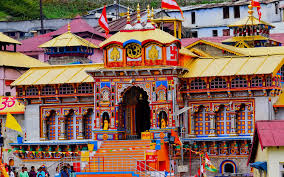
Badrinath Temple, located in the Himalayas along the River Alaknanda, is one of the most sacred pilgrimage centers of Lord Vishnu. Founded by Adi Shankaracharya in the 8th century, it is an important part of the Char Dham and Chota Char Dham yatra.
Ancient scriptures state that this place was known as Badri Van, where Lord Vishnu had meditated, and Goddess Lakshmi had protected him in the form of the Badri Tree. This temple represents divine meditation, renunciation, and enlightenment.
Because of the extreme climate of the Himalayas, the Badrinath Temple is open only for six months. During winter, the deity is taken to Joshimath, maintaining the tradition of centuries.
It is believed that by visiting Badrinath, one’s karmas are cleansed, and one attains moksha. Tapt Kund, sacred hot springs, are located near the Badrinath Temple, which are believed to be spiritually cleansing.
4:30 AM – 9:00 PM (seasonal)
4:30 AM – 9:00 PM (seasonal)
Warm traditional clothing.
Not allowed inside Garbhagriha.
Dry fruits & Mishri.
Badrinath Temple is located in Badrinath town, Chamoli district, Uttarakhand, India, situated on the banks of the Alaknanda River in the Himalayas.
The temple is dedicated to Lord Vishnu, worshipped as Lord Badrinarayan.
Yes, Badrinath Temple is one of the sacred Char Dham pilgrimage sites along with Yamunotri, Gangotri, and Kedarnath.
Typical darshan timings are:
Morning: 4:30 AM – 1:00 PM
Evening: 4:00 PM – 9:00 PM
Opening: April/May (Akshaya Tritiya period)
Closing: October/November (after Diwali)
The temple remains closed during winter due to heavy snowfall.
Best visiting months:
May to June
September to October
(Monsoon season should be avoided due to landslides.)

Your one-stop online platform for hassle-free, personalized Hindu puja services — book pandits, samagri & rituals anywhere in India
Join our growing community of over 100,000+ devotees who receive divine updates filled with spiritual tips, festival reminders, special puja offers, and more uplifting content.