
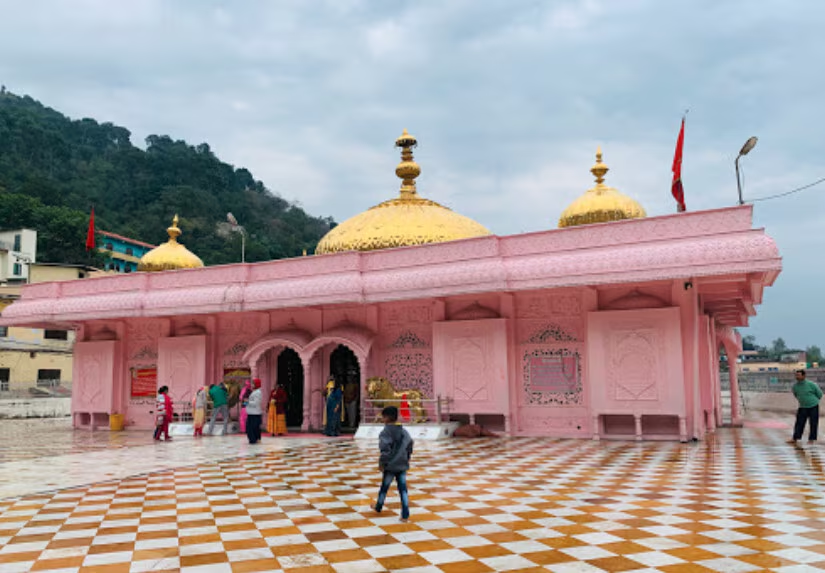
Jwalamukhi temple, situated in the Kangra district of Himachal Pradesh, India, is one of the most famous temples devoted to Goddess Jwala Devi. While other temples usually worship idols, Jwalamukhi temple houses eternal natural flames that emanate from fissures in the rocks. As per the Hindu mythological belief, the temple is said to be related to the legend of Sati. It is said that her tongue fell at this particular place after she got dismembered in the mythological tale, thus making it one of the sacred Shakti Peeths. There is no known reason behind the everlasting flames burning without any known source of fuel for centuries. In the past, the Mughal emperor Akbar visited the temple and tried to extinguish the flames but failed to do so. It is also stated that Akbar eventually paid his respects to the goddess by offering her a golden umbrella. Jwalamukhi temple has undergone many renovations in the hands of different rulers, such as local kings and later Sikh rulers.
Morning: 5:00 AM – 12:30 PM
Evening: 3:00 PM – 8:00 PM
Mangal Aarti: around 5:00 AM
Panjupchar Puja: around 7:00 AM
Bhog Aarti: around 12:00 PM
Sandhya Aarti: around 7:00 PM
Sayana Aarti: around 10:00 PM
Men: Kurta–pyjama, dhoti, or simple traditional attire
Women: Saree, salwar kameez, or modest Indian traditional dress
Photography & videography are NOT allowed inside the temple premises.
Allowed only outside temple areas.
Special bhog (offering) is distributed after the midday and evening aarti.
It has natural eternal flames instead of an idol.
Yes, especially during Navratri festival and weekends.
Early morning for peaceful darshan.
There is no strict dress code, but visitors should wear decent and traditional clothes and avoid shorts or revealing outfits.

Your one-stop online platform for hassle-free, personalized Hindu puja services — book pandits, samagri & rituals anywhere in India
Join our growing community of over 100,000+ devotees who receive divine updates filled with spiritual tips, festival reminders, special puja offers, and more uplifting content.